

What Is Methadone — and How Does It Work in Treating Opioid Addiction?
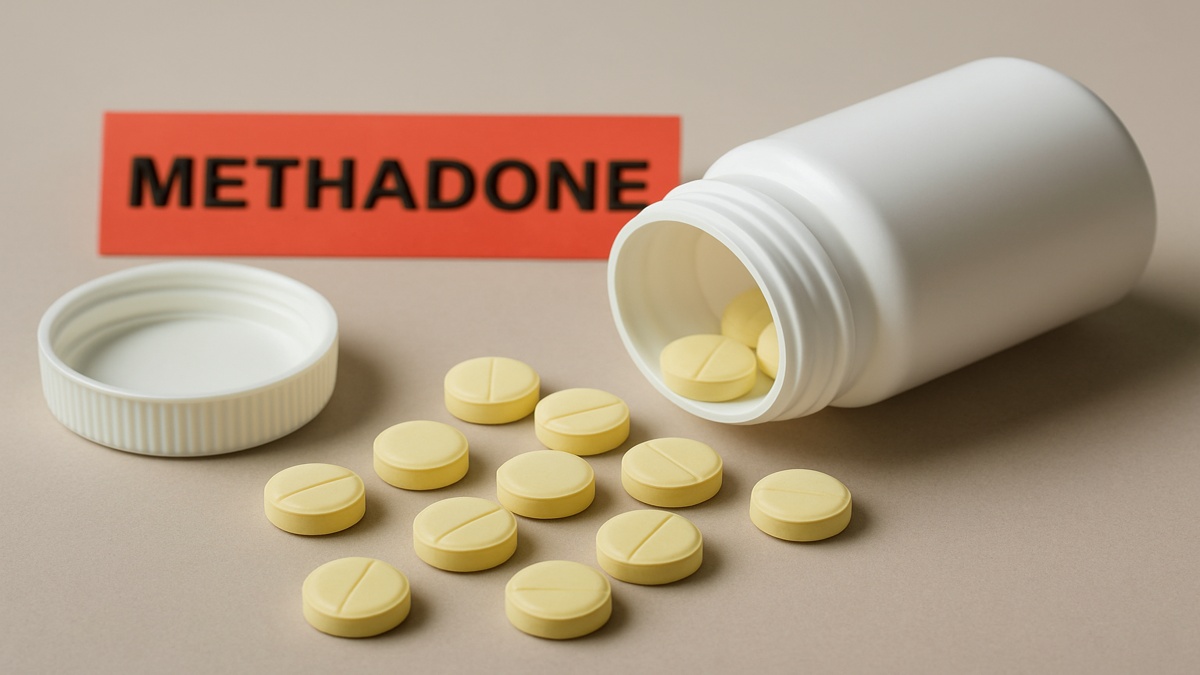
Understanding Methadone’s Role in Recovery
Methadone is one of the most extensively studied and powerful medicinal drugs used to treat opioid use disorder (OUD). For decades, it has helped individuals lessen cravings, stabilize their lives, and damage unfastened from the cycle of withdrawal and relapse. Yet many people still don’t absolutely understand what methadone is or how it works.
According to the National Institute on Drug Abuse (NIDA), Methadone is a safe, evidence-based totally medication that appreciably decreases opioid misuse, overdose chance, and relapse prices when used as part of a comprehensive treatment plan.
For all and sundry considering methadone addiction remedy, understanding how the medicine works can assist reduce fear, stigma, and confusion.
What Exactly Is Methadone?
Methadone is a protracted-acting opioid agonist medication utilized in Medication-Assisted Treatment (MAT) for people suffering with addiction to heroin, fentanyl, prescription painkillers, and different opioids.
Although methadone is an opioid, it does now not create the identical euphoric high while taken as prescribed. Instead, it really works by way of stabilizing brain chemistry, decreasing cravings, and preventing withdrawal signs.
How Methadone Works within the Brain
It Occupies Opioid Receptors Without Causing a High
Opioids bind to unique receptors inside the brain that manipulate pain, praise, and mood. When someone makes use of addictive opioids, those receptors end up overstimulated, creating the “high.”
Methadone binds to these same receptors, however lots more slowly and step by step. This:
- Prevents withdrawal
- Reduces cravings
- Does no longer produce the equal euphoric results
- Blocks the consequences of other opioids
This allows people experience strong sufficient to recognition on recovery instead of continuously fighting cravings.
It Prevents Withdrawal Symptoms
People with opioid dependence frequently keep away from quitting due to the fact withdrawal is bodily and emotionally overwhelming. Symptoms can consist of:
- Nausea and vomiting
- Muscle aches
- Insomnia
- Anxiety
- Intense cravings
Methadone relieves these signs with the aid of preserving the brain’s receptors happy—with out the dangerous u.S.And downs of brief-performing opioids.
It Reduces the Risk of Overdose
Because methadone blocks the euphoric effects of opioids, using heroin or fentanyl at the same time as on methadone won’t produce the equal “high.” This substantially lowers the risk of overdose by means of discouraging relapse and lowering the need to use illicit opioids.
Why Methadone Is a Long-Term Treatment
The Brain Needs Time to Heal
Long-time period opioid use rewires the mind’s praise device and impulse manage. Methadone presents balance even as those structures recover, that can take months or even years.
Stability Improves Life Functioning
People on methadone can go back to paintings, rebuild relationships, and engage in remedy due to the fact they’re now not controlled with the aid of cravings or withdrawal.
Long-term MAT has the first-rate research effects
Decades of research display that individuals who live on MAT for at least a yr have considerably better recuperation results than folks who try to end “bloodless turkey.”
What to Expect in Methadone Treatment
Step 1: Assessment
A medical provider assesses your substance abuse history, withdrawal symptoms, mental health and goals.
Step 2: Start the medication
Methadone is given in controlled doses to ensure safety and effectiveness. The dosage is adjusted over time depending on how your body reacts.
Step 3: Daily clinic visits
At first, most people visit a clinic daily for doses. Over time, stable patients can earn doses that can be taken home.
Step 4: Medicine and support
While methadone stabilizes the brain, therapy helps deal with the underlying trauma, triggers, and emotional patterns.
Step 5: Long-term planning
Patients work with providers to create a relapse prevention plan, strengthen coping skills, and decide how long they want to stay on methadone.
Common Misconceptions About Methadone
“It’s replacing one drug with another.”
False. Methadone is a remedy, no longer a replacement excessive. Its reason is to deal with withdrawal and stabilize the brain—much like medication for diabetes or high blood pressure treats continual situations.
“People on methadone aren’t absolutely sober.”
Sobriety is about stability, safety, and stepped forward health—no longer whether or not someone uses a prescribed medicine.
“You should get off methadone speedy.”
There is no regular timeline. Stopping too soon will increase relapse and overdose danger. Many people gain from lengthy-term methadone remedy.
Methadone Can Be a Lifesaving Part of Recovery
For those suffering with the worry, uncertainty, and exhaustion of opioid addiction, methadone affords a pathway closer to stability, readability, and a more fit destiny. Programs presenting methadone addiction treatment help people rebuild their lives via evidence-based care, scientific guide, and compassionate guidance.
You Deserve a Recovery Plan That Works
If you or a person you love is considering methadone, recognize that it is a safe, confirmed, and relatively powerful tool for lengthy-time period sobriety. With the proper guide and treatment environment, methadone can help you circulate from surviving to thriving—one strong day at a time.