

What Does Opioid Withdrawal Feel Like—and How Is It Treated?
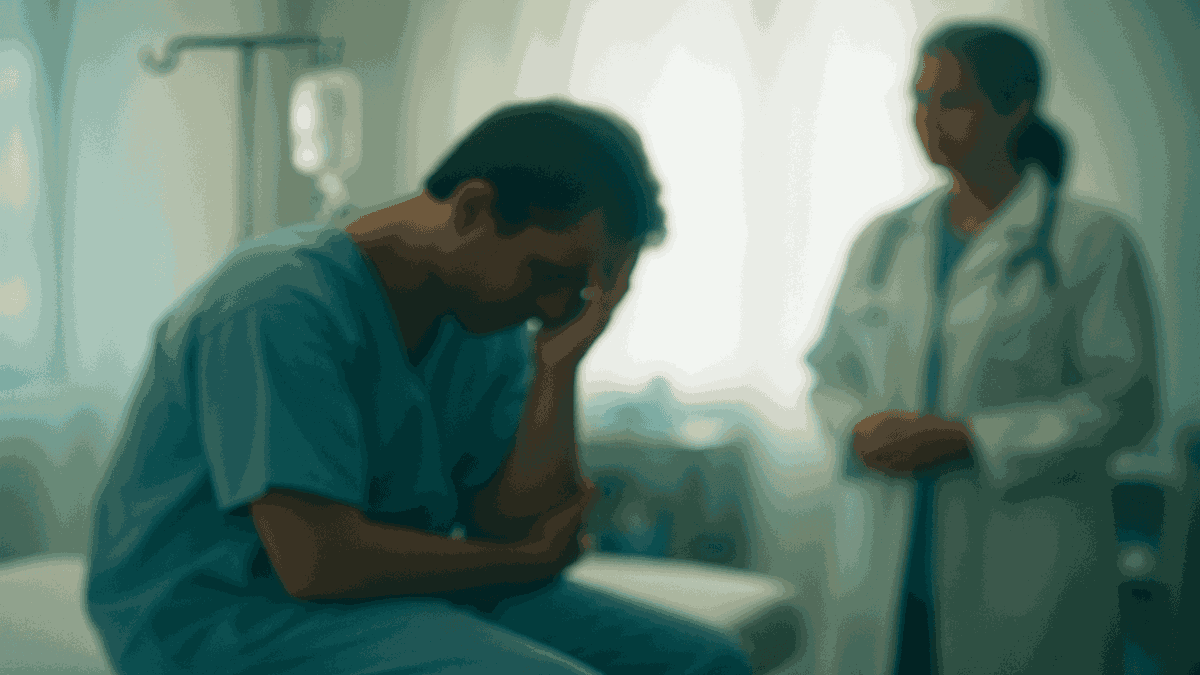
Why Opioid Withdrawal Happens
Opioid withdrawal happens whilst someone who has been using opioids regularly reduces or stops use. Whether the opioids had been prescription medicinal drugs or illicit pills, the body will become bodily based through the years. Opioids change how the brain regulates ache, feelings, and praise, and whilst they’re eliminated, the body goes right into a kingdom of imbalance as it tries to characteristic with out them. Withdrawal isn’t always a signal of weak spot—it’s far a biological reaction to chemical dependence.
What Opioid Withdrawal Feels Like
Opioid withdrawal can be deeply uncomfortable, both bodily and emotionally. While symptoms vary primarily based on the sort of opioid, how lengthy it turned into used, and the character’s fitness, many humans describe withdrawal as feeling like an intense flu mixed with overwhelming tension.
Early Symptoms
Early symptoms regularly begin within hours after the ultimate dose and commonly consist of:
- Anxiety
- Irritability
- Agitation
- Muscle aches
- Runny nose
- Sweating
- Yawning
- Insomnia
These signs and symptoms sign that the frame is starting to modify to the absence of opioids.
Peak Symptoms
As withdrawal intensifies, signs can also grow to be greater excessive. Peak withdrawal can encompass:
- Nausea and vomiting
- Diarrhea
- Severe cramping or abdominal pain
- Restlessness
- Tremors or shaking
- Chills and goosebumps
- Rapid heartbeat
- Intense cravings
This section is regularly the most tough and is a common reason people return to opioid use with out right medical aid.
Emotional Symptoms
Opioid withdrawal also influences temper and intellectual fitness. Many humans experience:
- Anxiety or panic
- Depression
- Irritability
- Difficulty concentrating
- Strong emotional swings
The emotional component can be simply as tough as the physical signs and symptoms, specially while combined with cravings.
Why Withdrawal Is Dangerous Without Help
Although opioid withdrawal is hardly ever life-threatening on its very own, it is able to be extraordinarily distressing and might result in dehydration, relapse, or headaches for people with underlying health conditions. The largest chance is returning to opioid use to forestall the symptoms. After even a quick damage from use, the body’s tolerance drops dramatically, growing the threat of overdose. For those reasons, clinical supervision during withdrawal is strongly endorsed.
How Opioid Withdrawal Is Treated
Medication-Assisted Detox
Medical detox is one of the safest methods to manipulate withdrawal. Healthcare experts display signs and symptoms, offer hydration, and use medicinal drugs when appropriate to reduce pain. Medications used during detox can also consist of:
- Buprenorphine to reduce cravings and ease withdrawal
- Methadone for severe dependence or long-term opioid use
- Clonidine or other comfort medications for anxiety, sweating, or high blood pressure
- Anti-nausea or anti-diarrheal medications for gastrointestinal symptoms
These medications significantly reduce the intensity of withdrawal and help people complete the detox process safely.
Medication-assisted treatment (MAT) after detox.
Detox is just the first step. Once withdrawal has ended, many individuals benefit from ongoing medication-assisted treatment to prevent relapse. FOOD can reduce cravings, block the effects of opioids and stabilize brain chemistry over time.
Psychological and emotional support
Therapy plays an important role in helping individuals deal with the emotional challenges of withdrawal and speed recovery. Counseling helps address the root causes of trauma, anxiety, depression, and opioid use. It also teaches coping strategies to deal with urges and stress.
supportive environment
A calm, safe environment with compassionate staff makes the withdrawal process more manageable. Medical professionals monitor symptoms, help with comfort measures and provide reassurance so that the person does not feel alone.
Withdrawal Is the Beginning—Not the End
Opioid withdrawal is tough, however it is also transient. What comes subsequent—therapy, aid, medicinal drug, and long-term guidance—is what absolutely builds recovery. Withdrawal by myself does now not heal dependancy. It simply clears the body so the actual paintings of healing can start.
Hope and Healing Are Possible
Opioid withdrawal can feel overwhelming, however with hospital treatment, emotional guide, and a dependent restoration plan, the process turns into more secure and more conceivable. No one should must face withdrawal on my own. With the right support, people can move thru the pain and begin the adventure towards balance, readability, and lengthy-term recovery. Learn extra about opioid withdrawal treatment.