

What is Dental Bridge? Steps, advantages
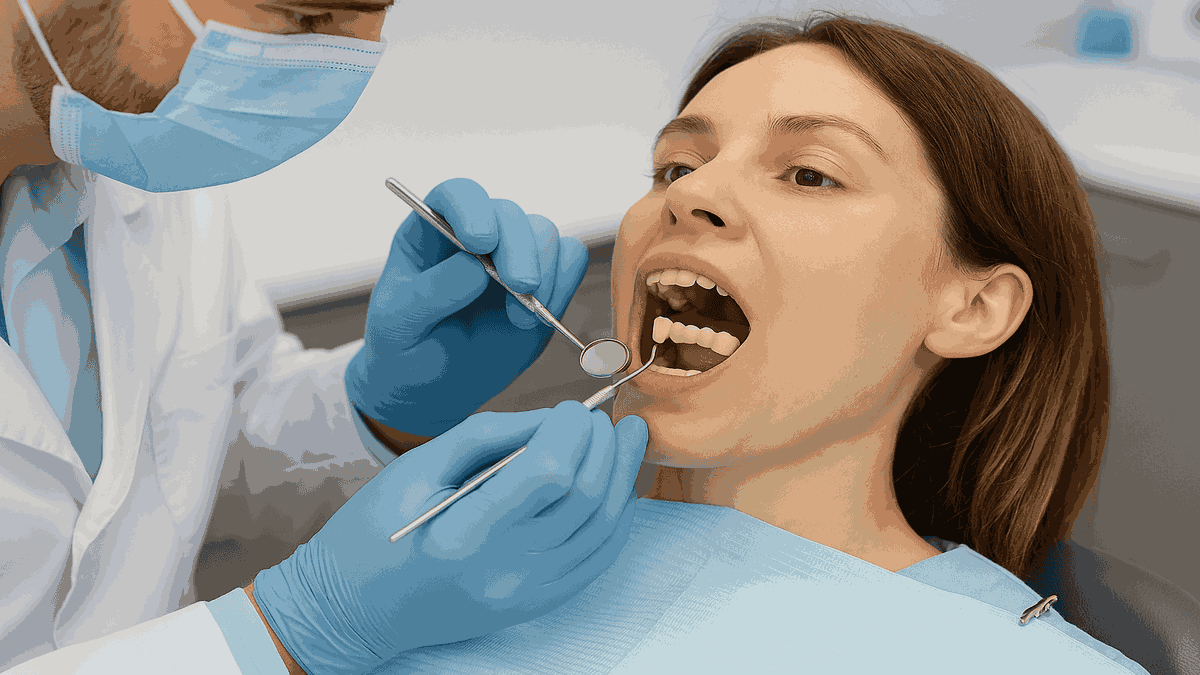
Dental bridges are a famous solution for changing missing teeth, helping restore both aesthetics and functionality. If you are considering getting a dental bridge, understanding the process step by step can ease any worries you may have, in this blog, we will discuss you each phase of the dental bridge procedure so you know what to expect when visiting a dentist in Scarborough.
What is a dental bridge?
A dental bridge is a dental appliance used to fill the space left by one or more missing teeth. It generally contain of one or more artificial teeth, known as pontics, held in place by crowns on adjacent natural implants or teeth. Dental bridges restore your bite, better your smile, and help maintain the shape of your face.
What is the procedure of dental bridge?
Consultation and treatment planning
A full examination and consolation are necessary before the procedure to determine the patient’s oral fitness and suitability for a dental bridge. This contains assessing the health of the abutment teeth and discussing bridge types and materials. The dental bridge is just as powerful as the supporting teeth.
Preparation
The dentist prepares the abutment teeth for the bridge on the primary visit. The process contains reshaping these teeth by removing some enamel to support the crowns that will anchor the bridge. They take impression of the teeth to use as model for the crowns, bridge, and pontic. The full structure is custom-made for patients in a dental lab.
The dental expert might place a temporary bridge over the prepared teeth and the space to protect them and preserve the smile while the permanent bridge is in production.
Creating the lasting bridge may take a few weeks while the patient wears the temporary bridge. The bridge materials might be porcelain fused to ceramics, metal alloys, or metal. It depends on the place of the bridge and its aesthetics and functional requirements. When the implant bridges, the primary preparation only needs placing a dental implant, modifying the adjustment teeth is not necessary.
Bridge fitting
When the permanent bridge is ready, the next visit involves removing the temporary bridge and fitting the permanent, new one. The dentist will adjust the fit of the metal framework and bite to make sure a best fit
Once a fit is amazing, they will cement the bridge into place. The dentist will make sure the bridge is stable and that is patient is relax with the look and feel. The dentist can make further adjustment after cementing if needed.
Post-procedure care
After the process, patients will get instructions on how to take care of the new bridge, including flossing, brushing, and regular dental-checkup-ups. Best oral hygiene practices prolong the life of the dental bridge and maintain best health. The dentist will also schedule follow-up visits to better the patient’s progress.
The advantages of a dental bridge
So, why would you pick a dental bridge? Well, there are many reasons:
Get your smile
This is the huge one. A missing tooth can truly reflect your confidence. A dental bridge fills that space, providing you a full smile you will be pound to show off. You would not have to hide your mouth when you talk or laugh anymore.
Chew your food rightly
Eating with missing teeth can be painful. Food can get stuck, and it can difficult to bite and chew. A dental bridge restores your chewing power, making meal times much more fun. You can go back to eating your favourite foods without hesitate.
Keep your teeth in place
When you have a space, the teeth on either side can begin to drift or tilt into the empty area. This can mess up your bite and lead to other dental issues down the track. A dental bridge works like barrier, holding your existing teeth in their right positions.
Speak more clearly
Missing teeth, mainly front teeth, can sometimes affect how your pronounce words. Filling the space with a bridge can help you speak more confidently and clearly.
A long-lasting solution
Dental bridges are built to last. With best care, they can serve you well for many, many years. Generally five to fifteen years, and sometimes even longer.
Maintain your face shape
Trust it or not, your teeth help support the structure of your face. When your lose teeth, your jawbone can begin to shrink, and your face might look a quite different over time. A dental bridge helps to maintain the natural shape of your face.
Is a dental bridge permanent?
While no permanent fixed in the sense that it can never be get rid of, it is a fixed solution. Once cemented, it is not supporting you take in like a denture, it stays in your mouth all the time, just like your normal teeth. So, in everyday terms, yes, it feels permanent.