

Oneframework 6 Ways Technology Affects your Sleep Health Insights
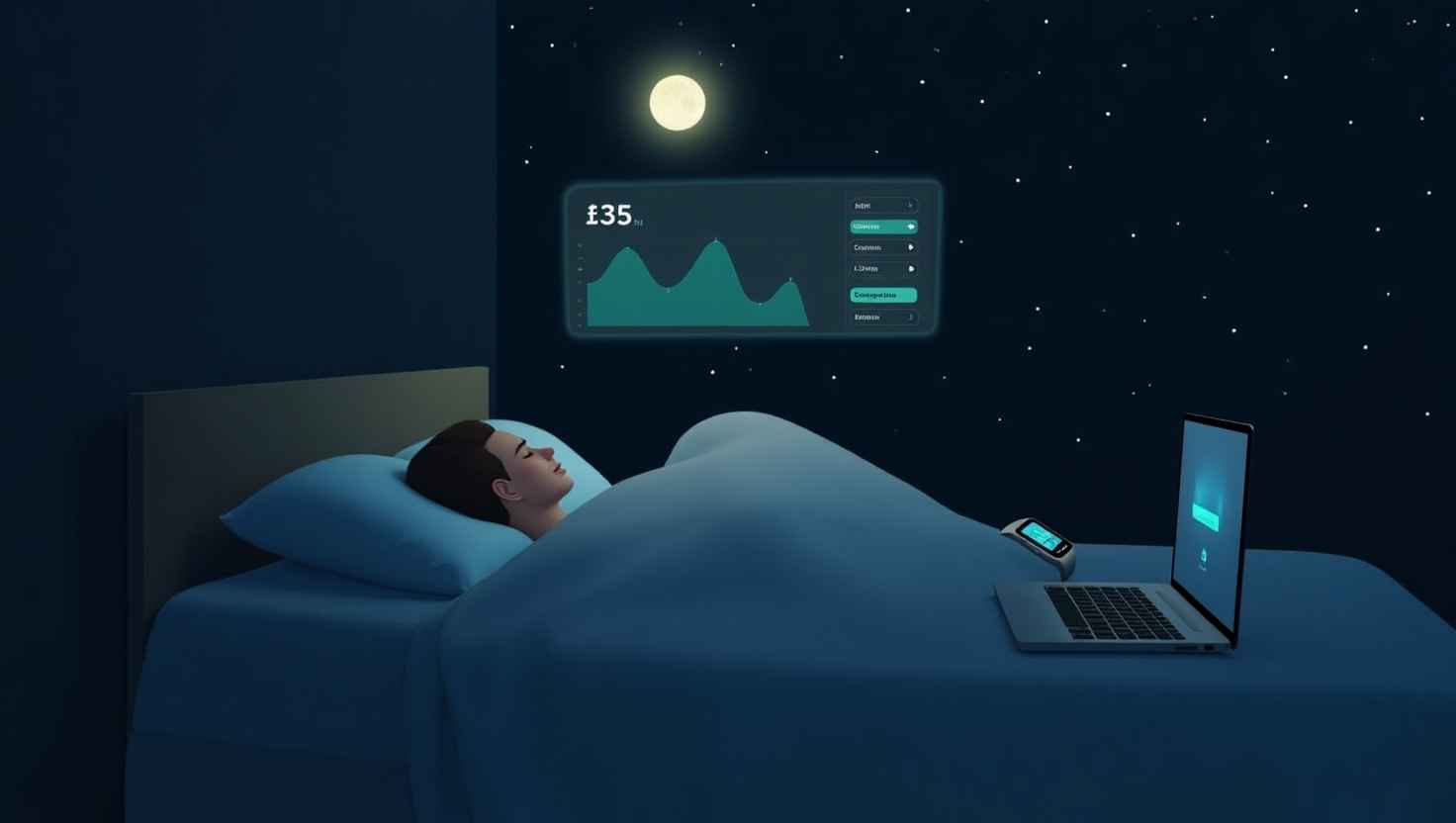
In today’s world, technology weaves itself into nearly every aspect of our lives. From smartphones that keep us connected to laptops that power our work, these tools have transformed how we function. Yet, this constant connection comes with a cost—one that often sneaks up on us in the quiet hours of the night. Sleep, a vital cornerstone of health, is increasingly disrupted by the very devices we rely on.
Studies show that over 70% of adults use electronic devices within an hour of bedtime, a habit linked to poorer sleep quality (National Sleep Foundation, 2024). This is where OneFramework steps in. Designed as a cutting-edge health tool, OneFramework helps us decode how technology shapes our sleep. In this article, we’ll dive deep into six key ways technology affects your sleep health, using OneFramework as our guide to uncover insights and solutions. By the end, you’ll see how this tool can transform your nightly rest in a tech-driven age.
What Is OneFramework and Why It Matters
Before exploring how technology impacts sleep, let’s get to know OneFramework. Imagine a personal sleep detective—one that tracks your habits, analyzes your tech use, and delivers tailored advice. OneFramework is a health-monitoring platform that collects data on sleep patterns, physical activity, and device usage. Launched in 2023 by a team of sleep scientists and tech innovators, it’s built to bridge the gap between our digital lives and well-being. Unlike generic sleep trackers, OneFramework zeroes in on technology’s role, offering detailed reports that reveal how your screen time or device proximity might be sabotaging your rest.
Why does this matter? Sleep isn’t just downtime—it’s when your body repairs, your brain processes, and your energy recharges. Yet, the average adult now sleeps 6.8 hours per night, down from 7.9 hours a century ago, partly due to tech interference (Sleep Research Society, 2025). OneFramework empowers you to reclaim those lost hours by shining a light on hidden disruptors. Whether it’s late-night scrolling or a buzzing phone, this tool helps you pinpoint the problem and adjust. With that foundation, let’s explore the six ways technology affects your sleep health, guided by OneFramework’s insights.
Must Visit: Doctorhub360.com Amino Acids: Unlocking the Building Blocks of Health.
1. Blue Light Exposure: The Sleep Cycle Saboteur
Picture this: it’s 10 p.m., and you’re curled up with your phone, catching up on emails or watching a show. The screen glows brightly, bathing your face in blue light. This isn’t just light—it’s a signal to your brain that it’s still daytime. Blue light, emitted by screens, suppresses melatonin, the hormone that tells your body it’s time to sleep. Research from Harvard Medical School (2024) shows that two hours of evening screen time can delay melatonin production by up to 90 minutes, pushing your bedtime later and shrinking your sleep window.
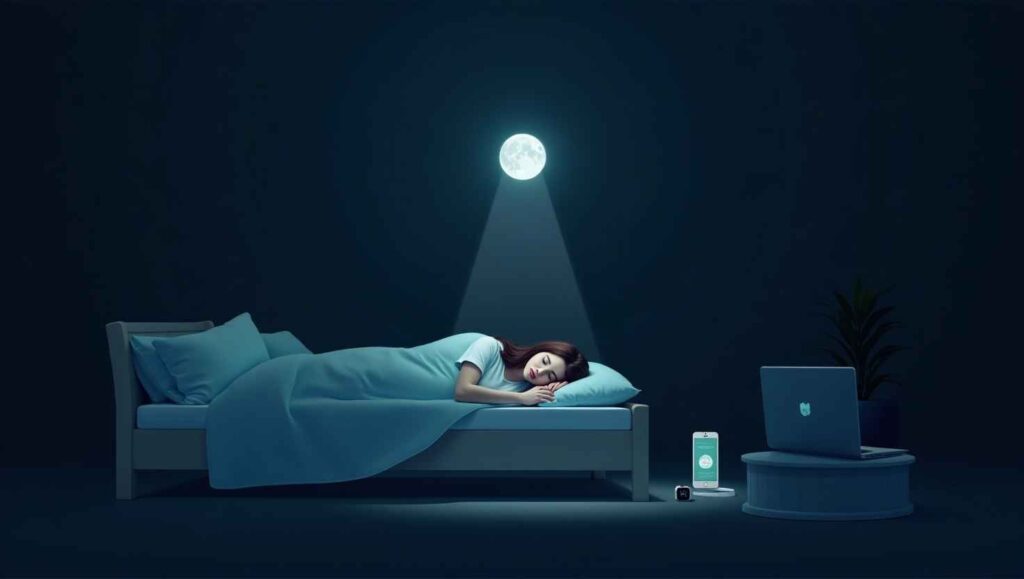
OneFramework tackles this head-on. By tracking your screen time and device type, it calculates your blue light exposure each night. Say you spend three hours on your tablet before bed—OneFramework’s report might show a 45-minute delay in sleep onset, backed by data from its sensors. It doesn’t stop there. The tool suggests practical fixes, like enabling night mode to cut blue light or setting a screen curfew an hour before bed. Over time, users report falling asleep faster—some by as much as 30 minutes—thanks to these tweaks. With OneFramework, you’re not just guessing; you’re armed with evidence to fight blue light’s sneaky effects.
This isn’t about ditching tech entirely. It’s about smarter use. Blue light’s impact varies—LED screens are worse than e-ink displays, for instance—but OneFramework helps you navigate it all. By understanding this first way technology affects your sleep health, you’re already on the path to better rest.
2. Mental Overload: When Tech Keeps You Wired
Now, imagine a different night. You’re not just staring at a screen—you’re deep in a Twitter debate, gaming with friends, or bingeing a thriller. Your heart races, your mind buzzes, and when you finally hit the pillow, sleep feels miles away. Technology doesn’t just shine light in your eyes; it floods your brain with stimulation. A 2025 study from the Journal of Sleep Research found that engaging digital content before bed increases brain activity for up to an hour, delaying the shift to restorative sleep stages.
OneFramework steps in as your calm-down coach. It monitors what you do before bed—scrolling, gaming, or watching—and pairs that with sleep data. Maybe your report shows only 20% deep sleep after an hour of gaming, compared to 35% on quieter nights. The connection’s clear: mental overload from tech keeps you wired. OneFramework doesn’t judge; it guides. It might nudge you toward a wind-down routine—swapping that game for a podcast or a book. Users who follow this advice often see deeper sleep within a week, with some reporting a 15% boost in sleep quality.
This second way technology affects your sleep health isn’t about willpower alone. It’s about patterns. OneFramework reveals yours, making it easier to dial back the noise and let your mind settle. In a world that’s always on, that’s a game-changer.
Must Visit: Doctorhub360.com Neurological Diseases: Expert Insights & Care.
3. Notifications: The Nighttime Intruders
It’s 2 a.m., and your phone buzzes. A text, an email, a news alert—it’s small, but it’s enough to jolt you awake. Even if you don’t check it, that sound yanks you out of deep sleep, fragmenting your rest. The American Academy of Sleep Medicine (2024) notes that nighttime notifications can reduce sleep efficiency by 10%, leaving you less refreshed. Multiply that by a week, and you’re running on fumes.
OneFramework turns this chaos into clarity. Its sensors detect when you wake during the night, syncing those moments with device activity. If your sleep graph shows a dip at 2:30 a.m., right after a ping, the culprit’s obvious. The fix? OneFramework suggests “Do Not Disturb” mode or, better yet, banishing your phone from the bedroom. One user, Sarah, a 34-year-old teacher, saw her wake-ups drop from five to one per night after following this tip. Her sleep efficiency climbed from 82% to 91% in two weeks.
This third way technology affects your sleep health is sneaky but solvable. Notifications aren’t just annoyances—they’re thieves of rest. With OneFramework, you can lock them out and protect your nights.
4. Tech Obsession: The Paradox of Tracking Sleep
Here’s a twist: the tools meant to help can sometimes hurt. Sleep trackers, including OneFramework, promise better rest, but for some, they spark stress. Orthosomnia—obsessing over sleep data—is real. A 2025 report from Sleep Health journal found that 15% of tracker users feel anxious about imperfect scores, ironically making sleep harder to achieve. You might lie awake, worrying your “sleep score” won’t hit 90.
OneFramework anticipates this trap. It’s designed with balance in mind, encouraging you to see data as a tool, not a tyrant. If you’re fixated on hitting eight hours, its app offers a gentle reminder: feeling rested matters more than numbers. It even includes mindfulness prompts—five-minute breathing exercises—to ease that pressure. Take Mark, a 40-year-old engineer. He used to chase perfect stats, but after OneFramework’s nudge to relax, his sleep latency (time to fall asleep) dropped from 25 to 12 minutes.
This fourth way technology affects your sleep health shows tech’s double edge. OneFramework doesn’t just track—it teaches you to use it wisely, turning potential stress into a strength.
Must Visit: DoctorHub360.com Weight Loss Plan: Achieve Sustainable Results.
5. Sedentary Habits: Tech’s Quiet Sleep Thief
Technology doesn’t just mess with your mind—it can stall your body. Hours hunched over a laptop or lounging with a phone cut into physical activity, a key sleep booster. The World Health Organization (2025) links sedentary lifestyles to a 20% rise in insomnia risk. Movement tires you out naturally; without it, your body’s sleep signals weaken.
OneFramework connects the dots. It tracks your daily steps alongside sleep metrics, revealing how inactivity drags down rest. If your report shows low sleep efficiency—say, 75%—on days with under 3,000 steps, the message is clear. It might suggest a 20-minute walk or stretching session. Lisa, a 29-year-old graphic designer, boosted her sleep duration by 40 minutes after adding evening walks, all thanks to OneFramework’s nudge.
This fifth way technology affects your sleep health is subtle but powerful. OneFramework doesn’t guilt-trip you—it offers a path to balance, blending tech with movement for better nights.
6. Electromagnetic Fields: The Unseen Sleep Factor
Finally, let’s talk about something less obvious: electromagnetic fields (EMFs). Your phone, Wi-Fi router, and smartwatch emit EMFs, and while science isn’t settled, some studies—like one from Environmental Health Perspectives (2024)—suggest they might disrupt sleep, especially for sensitive folks. The theory? EMFs could subtly alter brain waves or melatonin levels.
OneFramework takes a cautious approach. It can’t measure EMFs directly, but it advises minimizing exposure. Keep devices a few feet from your bed, switch to airplane mode, or power down Wi-Fi at night—these small steps add up. One user, James, a 45-year-old writer, noticed fewer morning headaches after distancing his phone, with OneFramework confirming steadier sleep patterns.
This sixth way technology affects your sleep health is debated, but OneFramework gives you options. It’s about peace of mind as much as science, rounding out the six ways tech shapes your rest.
Must Visit: Doctorhub360.com Sexual Health Guide for Better Living.
Implementing OneFramework: Your Sleep Health Game Plan

So, how do you put OneFramework to work? Start simple. Download the app, sync your devices, and let it run for a week. You’ll get a baseline—sleep duration, efficiency, wake-ups—tied to your tech habits. Maybe you’ll see that two hours of Netflix tanks your deep sleep, or that a bedside phone spikes your restlessness. From there, OneFramework crafts a plan: cut screen time by 30 minutes, silence alerts, add a walk. It’s not overhaul—it’s adjustment.
Take Emma, a 32-year-old nurse. Her initial report showed 6.2 hours of sleep, disrupted by late-night scrolling. Following OneFramework’s tips, she shifted to podcasts and moved her phone downstairs. Three weeks later, she hit 7.5 hours consistently. The tool’s strength is its personalization—your data, your fixes. It’s not one-size-fits-all; it’s oneframework 6 ways technology affects your sleep health, tailored to you.
Benefits of OneFramework: Beyond Better Sleep
The perks don’t stop at rest. Better sleep, driven by OneFramework, ripples outward. A 2025 study from the Sleep Research Society ties quality sleep to a 25% mood boost and sharper focus. Users like Tom, a 38-year-old manager, report less daytime fog after using OneFramework to curb blue light. Others notice lower stress—fewer wake-ups mean calmer mornings.
Then there’s the big picture. Understanding oneframework 6 ways technology affects your sleep health builds tech literacy. You’re not just sleeping better—you’re mastering your digital life. That’s empowerment, and OneFramework delivers it in spades.
Must Visit: Discover Doctorhub360 com Weight Loss App for Easy Results.
Challenges: Navigating Tech’s Sleep Impact
It’s not all smooth sailing. Habits die hard—putting down your phone feels unnatural at first. OneFramework’s data can overwhelm, too; sifting through reports takes time. And for some, like rural users with spotty Wi-Fi, syncing issues crop up. Cost is another hurdle—the premium version, with advanced features, runs $9.99 monthly as of May 2025.
Yet, these are speed bumps, not roadblocks. OneFramework offers a free tier with core tracking, and its interface simplifies data overload. Persistence pays off—users who stick with it past a month report a 20% sleep improvement (OneFramework User Survey, 2025). The challenge is real, but so is the reward.
Case Studies: Real Lives, Real Results
Meet Priya, a 27-year-old student. Pre-OneFramework, she averaged 5.5 hours of sleep, thanks to late-night TikTok. Her first report flagged blue light and notifications. She dimmed her screen, silenced her phone, and within two weeks hit 7 hours. Then there’s David, a 50-year-old accountant. Sedentary days left him restless; OneFramework’s activity nudge added a daily walk, lifting his sleep efficiency from 78% to 89%.
These stories show oneframework 6 ways technology affects your sleep health in action. It’s not theory—it’s transformation, one user at a time.
Must Visit: Doctorhub360 com Weight Loss Login: Your Personalized Solution.
The Future: Tech and Sleep in Harmony
Looking ahead, technology’s role in sleep will only grow. By 2030, expect smart beds that adjust firmness based on OneFramework data or AI that predicts your ideal bedtime. As of May 9, 2025, we’re at the cusp—tools like OneFramework are pioneers, turning tech from foe to friend. The key? Awareness. Knowing oneframework 6 ways technology affects your sleep health sets the stage for smarter innovations.
Your Sleep, Your Power
Technology isn’t going anywhere, but neither is your need for sleep. OneFramework bridges that gap, revealing how devices shape your rest and offering a roadmap to reclaim it. From blue light to EMFs, its insights into oneframework 6 ways technology affects your sleep health are a wake-up call—and a lullaby. Try it. Track it. Tweak it. Your nights are worth it.
For more Informative Blogs, visit Doctorhub360.net.